World Tourism Day in Brussels Belgium travel: a quiet paradox
World Tourism Day in Brussels Belgium travel feels strangely understated. While global tourism headlines celebrate record numbers, the city moves at its usual measured pace, more policy hub than postcard destination. That contrast makes a September stay in Brussels unusually comfortable for luxury guests.
Belgium recently reached a record 46.1 million overnight stays, yet Brussels hotel figures remained broadly stable. For high end tourism this stability is not a weakness ; it is a rare luxury in a European city that anchors international tourism policy. You feel the scale of global tourism in the Schuman quarter, but you sleep without the pressure of a saturated destination.
This is the paradox at the heart of world tourism day Brussels Belgium travel. The city hosts the European Commission, the Parliament and countless tourism forum meetings, yet it rarely markets itself with the urgency of a Mediterranean resort. Brussels Belgium quietly lets other european destinations chase volume while it refines its own tourism strategy and long term path.
On this symbolic day, the conversation in Brussels is less about fireworks and more about sustainable tourism. Policy makers debate how international tourism can remain viable for residents business communities, not just for visitors. That focus on the future of european travel shapes the way new hotels are planned, built and operated across the city.
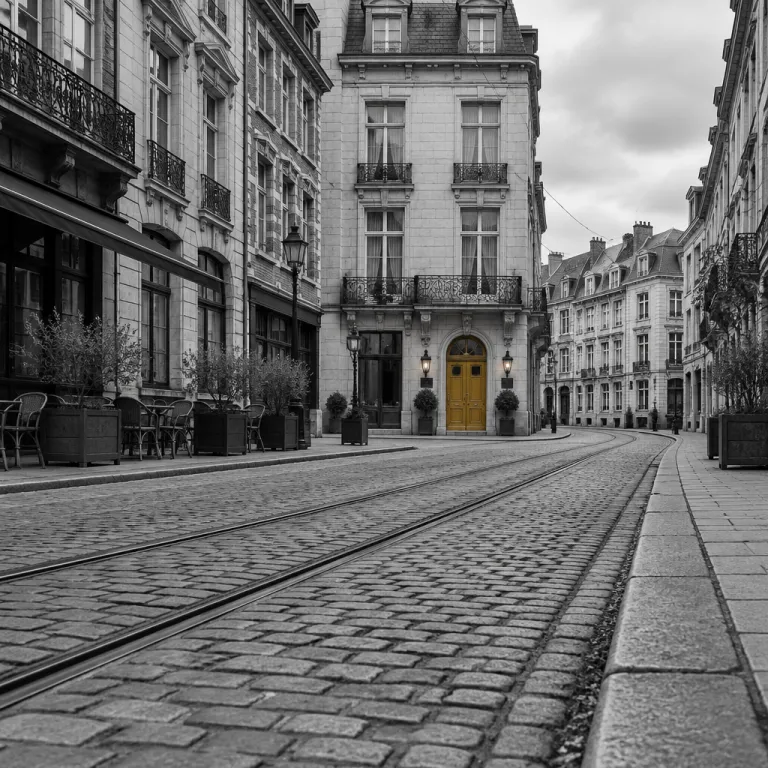
For travelers, the result is tangible. You can visit Grand Place at sunrise and still hear your footsteps on the cobblestones, even during a major global event. The city feels like a set host for diplomacy first and a leisure destination second, which is precisely why a luxury stay here remains so serene.
From EU capital to urban escape: how Brussels hosts global tourism without the crowds
Walk from the European Quarter down to the Parc de Bruxelles and you sense the split personality of the city. On one side, meeting rooms where a secretary general outlines the next tourism strategy for Europe and beyond. On the other, tree lined paths where joggers and families reclaim the capital from its weekday suits.
World tourism day Brussels Belgium travel conversations often unfold inside glass fronted buildings around Schuman. There, a tourism forum on sustainable tourism might analyse cross border rail links between Belgium and France or the future of european travel corridors. Yet ten minutes away, in Sablon, a couple checks into a discreet five star property and asks only for the best praline shop and a late checkout.
This is where Brussels excels as an urban escape. The city absorbs global tourism events without tipping into spectacle, allowing visitors to stay close to the action while feeling oddly insulated from it. A carefully planned stay that combines EU meetings with a weekend extension can turn a work trip into a quietly luxurious city break.
For a car free way to experience this dual identity, follow a curated cycling route through the centre. Our guide to Brussels by bike in spring shows how easily you can glide from institutional façades to canal side warehouses now reborn as galleries. That same path works beautifully around tourism day, when the light softens and café terraces stay busy but never frantic.
In this context, global tourism debates feel less abstract. You see how residents business owners and hotel directors share the same streets as visiting delegations, and why the city resists turning its centre into a theme park. Brussels proves that a european city can host major events and still feel like a place built for the people who live there.
Quiet luxury, stable numbers: why Brussels is ideal for a September stay
Stable overnight figures mean something very specific for luxury travelers. Brussels can welcome new high end properties without the panic of overtourism or the Venice syndrome that haunts more fragile destinations. The city’s hospitality scene is expanding, but the rhythm feels deliberate rather than speculative.
World tourism day Brussels Belgium travel coincides with one of the best moments to check into the capital. September in Brussels brings cooler air, clearer light and a calendar of cultural events that will feature everything from design festivals to gallery openings. Our guide to September in Brussels as a shoulder season explains why rates stay reasonable while the city’s cultural life is in full voice.
On the ground, quiet luxury is reshaping key neighbourhoods. The rebirth of the Corinthia Grand Hotel Astoria near Parc de Bruxelles, the arrival of Cardo Brussels with its 532 rooms, and the openings of The Standard and The Hoxton in the North Quarter all signal confidence in the city’s future as a refined destination. Yet these hotels are designed to integrate into the urban fabric, not overwhelm it.
For guests, that means more choice without more stress. You can plan a stay that pairs a heritage palace near Grand Place with a second night in a contemporary high rise overlooking the canal, all within a compact 5 kilometre radius. The city’s general mood remains relaxed, even when a major tourism day event will bring delegations from across Europe and beyond.
Brussels Belgium has quietly become a laboratory for how global tourism can grow without erasing local life. Hotel directors talk less about occupancy records and more about shaping future guest experiences that respect the city’s scale. That mindset is exactly what many seasoned travelers now seek from an urban escape.
From business trip to repeat visit: how Brussels converts travelers on World Tourism Day
Most first time visitors arrive in Brussels for work. They come for a tourism forum, a cross border meeting on rail policy, or a conference where a secretary general outlines the next phase of global tourism governance. The city is set host for these events almost by default.
Yet something happens when the meetings end and the tie loosens. A director of a mid sized company extends the stay by one day, wanders from the Grand Place to Sainte Catherine, and realises that this european capital has a softer, more human scale than many peers. That extra day often turns a functional trip into the first chapter of a longer relationship with the city.
World tourism day Brussels Belgium travel is a perfect lens for this shift. While policy makers debate sustainable tourism and shaping future visitor flows, the individual traveler quietly tests the city’s promise on foot. A walk along Avenue Louise, a late lunch in Saint Gilles, a tram ride out to Flagey ; each small detour rewrites the mental map of Brussels from transit hub to genuine destination.
Hotels play a decisive role in that transformation. A well briefed concierge who suggests a refined city break at a property like the Novotel off Grand Place can steer guests towards a more layered experience ; our review of staying at Novotel off Grand Place shows how thoughtful service can anchor a weekend. When a stay feels both efficient for work and indulgent for leisure, repeat visits follow almost automatically.
Names like Apostolos Tzitzikostas or Shaikha Nasser might headline panels on tourism strategy and the future of european travel. On the streets below, though, the real experiment unfolds in how residents business owners and guests share cafés, trams and parks. Brussels proves that a city can shape world tourism policy while quietly winning hearts, one extended stay at a time.
FAQ
Why is Brussels attractive for a luxury stay around World Tourism Day ?
Brussels is attractive for a luxury stay around World Tourism Day because hotel demand is steady rather than overheated, so premium properties can focus on service instead of volume. New openings such as Corinthia Grand Hotel Astoria, Cardo Brussels, The Standard and The Hoxton expand high end choice without creating overcrowding. Guests benefit from refined rooms, strong dining and easy access to both EU institutions and historic quarters.
How does Brussels avoid overtourism while hosting major tourism events ?
Brussels avoids overtourism by spreading activity across several districts and maintaining a strong base of residents business use in the centre. EU institutions and conference venues sit alongside lived in neighbourhoods, so the city never feels like a stage set built only for visitors. Stable overnight figures mean infrastructure is not pushed beyond capacity, even when a global tourism event will bring large delegations.
Which areas are best for combining business and leisure in Brussels ?
For travelers mixing meetings and leisure, the European Quarter, Sablon, Sainte Catherine and the Grand Place area work especially well. These districts keep you close to institutions and transport while offering walkable access to galleries, restaurants and Art Nouveau architecture. Many of the city’s most interesting luxury and premium hotels cluster in these neighbourhoods, making it easy to extend a work trip into a relaxed weekend stay.
Is Brussels a good base for wider european travel ?
Brussels is an excellent base for wider european travel because high speed trains link the city directly to Paris, London, Amsterdam and Cologne. This connectivity supports both business travel and short leisure extensions across Europe and France in particular. Staying in Brussels Belgium lets you tap into international tourism networks while enjoying a calmer home base than some larger hubs.
What does sustainable tourism look like in Brussels luxury hotels ?
In Brussels, sustainable tourism in luxury hotels often means energy efficient buildings, careful sourcing in restaurants and partnerships with local cultural institutions. Many high end properties encourage guests to explore the city on foot or by bike rather than relying on cars. This approach aligns with broader european travel policies discussed in Brussels and helps shape a future where comfort and responsibility can share the same itinerary.