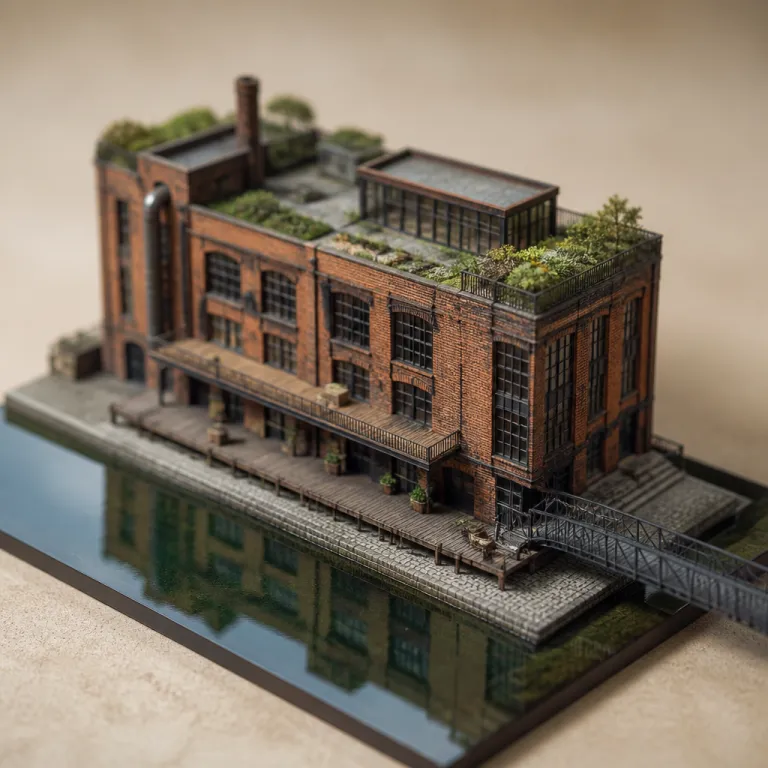
Brussels canal district hotels where to stay for a different city rhythm
Stand on Square Sainctelette at night and the canal feels like a quiet stage, with cranes, bridges and new hotels reflecting in the dark water. This is where Brussels has been quietly rewriting its hospitality map, turning a former industrial area into a place where a luxury stay comes with raw edges, art spaces and working docks. If you are choosing between brussels canal district hotels where to stay and the postcard streets around the grand place, the canal rewards curiosity with character and room to breathe.
The Canal District in Brussels is a redeveloped strip running between the lower town and Tour & Taxis, shaped by an urban renewal project led by BESIX RED with AXENT Architects and architectesassoc⁺. Officially, “What is the Canal District in Brussels? A redeveloped area transforming former industrial sites into vibrant urban spaces.” That transformation used adaptive reuse, passive building standards and generous public spaces, so your hotel stay now sits inside a living case study of sustainable city making.
For travelers comparing brussels canal district hotels where to stay, the first decision is simple ; do you want to wake up in a polished junior suite with city views, or in a more standard Brussels room above a canal side bar where the espresso machine starts before sunrise ? Luxury and premium hotels here tend to offer larger rooms and rooms suites than in the medieval streets near Brussels Central, and the details often nod to the area’s industrial past with concrete, steel and warm wood rather than chandeliers and velvet. The result is a style that feels closer to art nouveau’s functional elegance than to palace theatrics, especially appealing for a solo explorer who values design, light and a good desk as much as a grand lobby.
From Citroën garage to KANAL and beyond: why this area matters now
The story of where to stay in the canal district starts with a car garage. The former Citroën complex at Sainctelette is being reborn as KANAL Centre Pompidou, a vast museum of modern and contemporary art that will anchor the neighborhood and shift the cultural gravity of Brussels away from the traditional museum fine cluster near the royal museum in the upper town. When KANAL opens fully, with its rooftop restaurant and public spaces, guests in nearby hotels will be able to walk from their room to one of Europe’s largest new art venues in a few min walk.
This cultural pivot changes how you think about brussels canal district hotels where to stay, because it turns a once peripheral area into a central cultural corridor. Instead of booking only near the grand place or the grand sablon, you can base yourself by the water and still reach the royal museum, the European Quarter and Brussels Central train station within a short tram or metro ride. The lower town and upper town suddenly feel like two wings of a wider city, with the canal district as the hinge where art, architecture and nightlife meet.
Solo travelers who time their stay with events at Tour & Taxis or seasonal happenings like the city’s flower carpets around the grand place can use the canal as a calm counterpoint to the crowds. If you are planning a cultural tour focused on Japanese prints or floral installations, pair a canal hotel with this guide to where to stay when Brussels rolls out dahlias on the Grand-Place and you will see how different neighborhoods frame the same city. The key is to treat the canal as a base, not a detour, and to choose a room category that matches how much time you actually plan to spend inside.
Where to sleep by the water: hotel styles, rooms and extended stays
When you scan brussels canal district hotels where to stay, you will notice three main types of property. There are design forward hotels in converted warehouses, new build addresses in mixed use developments and serviced apartments aimed at extended stay guests who split their time between the canal and the European Quarter. Each option offers a different balance between room size, service level and proximity to the liveliest stretches of the waterfront.
Design led hotels near Sainctelette and Yser often lean into industrial style with polished concrete floors, high ceilings and large windows framing city views across the water and towards the lower town. Standard rooms here tend to be more generous than a typical standard Brussels room near central station, and many properties offer junior suite categories with separate seating areas for work or in room dining. If you value quiet nights, ask for a room facing an inner courtyard rather than the main road, because traffic between Brussels Central and the canal can stay busy late.
Serviced apartments and residence style hotels closer to Tour & Taxis suit travelers who want a kitchen, laundry and the feel of a private apartment for an extended stay. These properties usually sit within larger mixed use blocks developed by BESIX RED and partners, where residential units, community service areas and parking share the same address as cafés and co working spaces. For guests who also plan a night or two in the upper town, pairing a canal base with a classic avenue Louise address such as the property reviewed in our iconic avenue Louise stay for discerning guests feature creates a sharp contrast between waterway grit and polished boulevard glamour.
Canal walks, Brussels Beer Project and the summer beach culture
One reason solo travelers gravitate towards brussels canal district hotels where to stay is the simple pleasure of walking the waterway. Start at Sainctelette, cross towards the former Citroën site, then follow the towpath north past moored barges, new residential blocks and the brick arches of old warehouses. Within a comfortable min walk you reach Tour & Taxis, where event halls, food markets and landscaped public spaces turn a onetime freight complex into a full day playground.
Along the way, the Brussels Beer Project brewery and taproom offers a relaxed stop for a tasting flight and a light meal, ideal if you are curious about the city’s new wave of brewing beyond the abbey clichés. For a deeper dive into lambic, gueuze and the grand spectrum of Belgian beer styles, bookmark our guide to a hotel guest’s initiation into Brussels’ beer universe and plan a self guided tour that links the canal, the lower town and the grand place. Staying by the water means you can walk home safely after a night of tastings, with the canal as your compass line back to the hotel.
In summer, the canal district hosts pop up beach culture with deckchairs, sand and open air bars that echo the old Bruxelles les Bains spirit, even as the exact format evolves over time. Hotels in this neighborhood often program their own terrace events, from DJ sets to outdoor cinema, so check the lobby board or in room details when you arrive. If you prefer quieter evenings, choose a room on a higher floor or at the rear of the building, where the sounds of the city soften into a distant murmur by night.
How the canal compares to Grand-Place, Sablon and the European Quarter
Choosing between brussels canal district hotels where to stay and more traditional addresses is really a question of what you want outside your front door. Around the grand place and the grand sablon, you step straight into postcard Brussels, with guildhouses, chocolatiers and antique dealers forming a dense, walkable grid. In the canal neighborhood, the grid loosens, the sky opens and the city feels more like a working port than a stage set.
For business travelers with meetings in the European Quarter, a hotel near Schuman or Luxembourg station still makes sense if you need to walk between institutions all day. Yet the canal district works surprisingly well as a base if your schedule is split between the EU bubble, the upper town museums and evening dinners in the lower town or Sainte Catherine area. Trams and metros link Brussels Central, central station and the canal in under fifteen minutes, and taxis remain affordable over such short distances.
Solo explorers who value a good balance between anonymity and atmosphere often find the canal area more comfortable than the intensely touristed streets around the grand place. You can still reach the royal museum and the museum of fine arts easily, but you return to a hotel where the lobby is shared with locals heading to co working spaces or rooftop bars. That mix of guests and residents, of standard rooms and long stay apartments, makes the canal district feel less like a stage and more like a city, which is ultimately the strongest argument for choosing to stay here.
Practical tips: room choices, transport and reading the neighborhood
When you book in the canal district, pay close attention to room categories and floor plans. Many hotels here were designed within mixed use blocks, so rooms suites can vary significantly in shape, ceiling height and orientation even within the same standard Brussels category. If natural light and city views matter to you, request an upper floor facing the water or the inner courtyards rather than the main traffic arteries.
Transport is straightforward once you map the triangle between Brussels Central, Yser or Sainctelette metro stops and your chosen hotel. From the main train station, you can reach most canal addresses in under twenty minutes by metro or tram, and taxis remain reasonable for late night returns after a concert or dinner. Walking between the canal and the lower town takes a little longer uphill or downhill, but the route passes through authentic streets where cafés, corner shops and small galleries reveal a quieter side of the city.
Finally, read the neighborhood like a local by noting where residents gather in the early evening, whether on benches along the water, in pocket parks or in the lobbies of new developments. These public spaces are part of the area’s deliberate design, the result of an urban strategy that aimed to combine historical preservation with modern living rather than erase the past. If you choose your hotel with the same care, balancing room comfort, location and the kind of night you want, the canal district will reward you with a stay that feels both grounded in Brussels and slightly apart from its most photographed corners.
FAQ
What is the Canal District in Brussels and who developed it ?
The Canal District in Brussels is a redeveloped urban area where former industrial sites along the waterway have been transformed into housing, offices, cultural venues and hotels. The flagship Canal District project was developed by BESIX RED in collaboration with AXENT Architects and architectesassoc⁺, using adaptive reuse and sustainable building standards. This redevelopment has turned the neighborhood into a mixed use quarter with residential units, community service areas and new public spaces.
Is the canal area convenient for sightseeing around Grand-Place and the museums ?
Staying in the canal district keeps you slightly outside the densest tourist streets while remaining well connected to the grand place, the grand sablon and the royal museum area. Trams and metros link Sainctelette and Yser to Brussels Central and central station in under fifteen minutes, and from there you can walk to most major sights in the upper town and lower town. Many travelers find this balance ideal, with easy access to the museum of fine arts and historic squares but quieter nights back by the water.
How long does it take to walk from the canal to Tour & Taxis ?
The walk from Sainctelette Square along the canal to the Tour & Taxis complex typically takes around ten to fifteen minutes at a relaxed pace. The route follows the waterway past warehouses, new residential blocks and event spaces, so it feels more like a small urban tour than a simple transfer. This short distance makes it practical to attend fairs, concerts or food festivals at Tour & Taxis while staying in a nearby hotel.
Are canal district hotels suitable for extended stays and business trips ?
Many properties in the canal neighborhood are designed with extended stay guests and business travelers in mind, offering serviced apartments, kitchenettes and co working style public spaces. The area’s location between Brussels Central, the European Quarter and the northern business districts makes it efficient for meetings spread across the city. Guests who need more space than a standard room often choose junior suites or residence style units here, which can be larger than comparable categories in older central buildings.
Is the canal district safe for solo travelers at night ?
The canal district has become significantly more active and populated as new housing, offices and cultural venues have opened, which has improved the sense of safety, especially around Sainctelette and Tour & Taxis. As in any central city area, it is wise to stick to well lit streets, follow the main routes between metro stops and your hotel and avoid very quiet back alleys late at night. Solo travelers who choose hotels on busier stretches of the waterfront generally report feeling comfortable walking back after dinner or events.
Sources
Brussels-Capital Region urban development publications ; BESIX RED project documentation on the Canal District ; official information from KANAL Centre Pompidou.