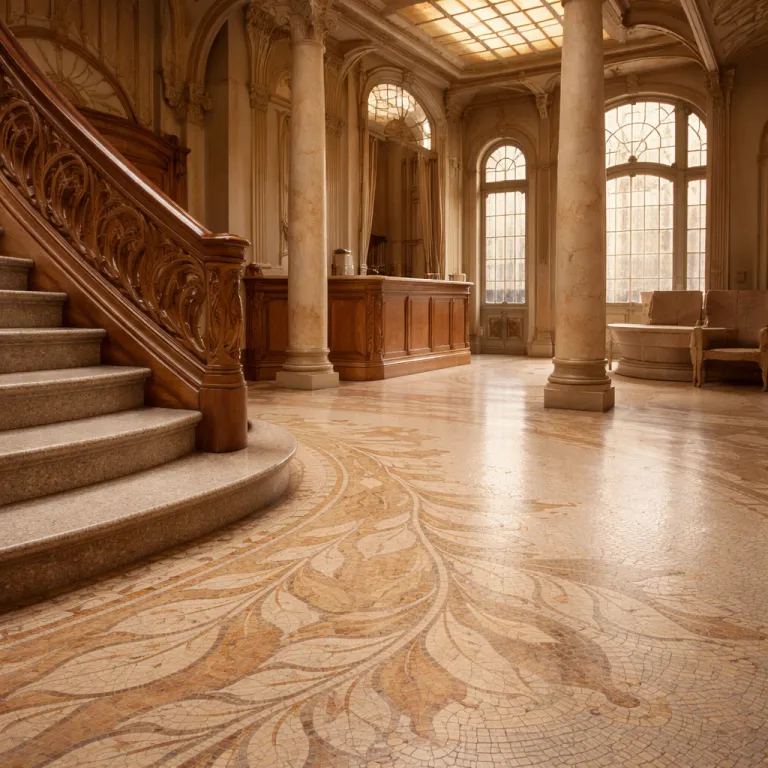
Why art nouveau hotels in Brussels architecture matter for luxury stays
Art nouveau hotels in Brussels architecture turn a simple night away into a curated design experience. In a city where more than 500 art nouveau buildings still stand, choosing the right hotel means sleeping inside the movement rather than only visiting a museum. For couples planning a romantic escape, this description of spaces shaped by light, curve and crafted detail becomes as important as the breakfast menu.
Art nouveau in Brussels grew from architects such as Victor Horta, Paul Hankar and Paul Hamesse, who treated every house as a total work of art. Their architecture fused iron, glass and carved wood so that staircases, doors and even radiators formed one continuous image of flowing lines and nature motifs. When you book a hotel today, you are often choosing between restored art nouveau townhouses and contemporary properties that quote this language with stained glass, vegetal ironwork and sinuous furniture.
Understanding the basics helps you read any hotel façade before you step inside. Look for whiplash curves in balconies, floral stone carvings around a house entrance and tall windows that pull daylight deep into the interior. These are the same elements that define the Horta work at Hôtel Tassel on Rue Paul-Émile Janson 6, Hôtel Solvay on Avenue Louise 224 and the architect Victor Horta house workshop on Rue Américaine 25, and they remain the clearest examples art lovers can use as a benchmark when assessing newer properties.
Sleeping inside the legacy of Victor Horta and his Brussels houses
Victor Horta changed Brussels by proving that a private house could be both radical art and comfortable home. His Hôtel Tassel, just off Avenue Louise, is often cited among the first true art nouveau buildings, with a central staircase that feels like a sculpted plant growing through the house. When you evaluate art nouveau hotels in Brussels architecture today, you are really asking how closely a property approaches that original Horta ambition.
The Horta Museum in Saint-Gilles, set in the former Horta house and studio, shows this ambition at its most intimate. Official guidance there states plainly: “What defines Art Nouveau architecture? Art Nouveau features organic forms, natural motifs, and decorative arts integration.” Couples who tour the museum in the afternoon, typically open from late morning until early evening except on Mondays, often return to their hotel with a sharper eye for every piece of ironwork, every stained glass image and each custom designed Victor style door handle.
Several hotels position themselves near the key Horta sites to appeal to architecture focused travelers. From Avenue Louise you can walk in under twenty minutes between Hôtel Solvay, Hôtel Tassel and the Hôtel van Eetvelde on Avenue Palmerston 4, three different examples art historians use to explain how nouveau architecture evolved from one commission to the next. When comparing luxury properties, consult an elegant guide to the top hotels in Brussels for a refined stay and check how each website describes proximity to these addresses, because distance in metres can matter more than any social media buzz on Twitter or Instagram.
From Corinthia Grand Hotel Astoria to Hotel Metropole’s shadowed future
Among grand hotels, the Corinthia Grand Hotel Astoria is the clearest case where heritage and contemporary luxury meet. Henri van Dievoet’s original design wrapped Belle Époque glamour around a restrained façade, while the recent multi year restoration respected every protected detail from cornices to lobby columns. For couples, this means you enjoy modern comforts in rooms that still carry the image of early twentieth century Brussels society rather than a generic international style.
The Astoria’s public spaces echo art nouveau hotels in Brussels architecture without copying any single Horta building. You will notice organic ironwork in balustrades, soft curves in ceiling profiles and a palette that nods to nature inspired art without turning the lobby into a museum set. This is nouveau architecture translated for contemporary hospitality, a type of design where you can sip champagne under a chandelier while reading about the nearby Horta Museum or planning a visit to Hôtel Solvay on Avenue Louise.
Contrast this with the long closed Hotel Metropole on Place de Brouckère, whose uncertain future has become a cautionary tale. Its loss from the active hotel scene shows how fragile Brussels architectural heritage can be when development pressures collide with preservation, even as renovation plans are periodically announced. When you choose a property such as the Astoria or a refined comfort option like Pullman Brussels Centre Midi at the heart of the station, you are quietly voting for a model where restoration, guest experience and long term care for historic buildings go hand in hand.
Design led routes from your hotel door : Horta, Solvay and comics
One advantage of art nouveau hotels in Brussels architecture is how easily they plug into walking routes. From a well located hotel near Avenue Louise, you can map a morning that links Hôtel Solvay, Hôtel Tassel and the Hôtel van Eetvelde without ever needing a taxi. Each house offers a different description of how architect Victor Horta handled light, structure and decoration for demanding industrialist clients such as Armand Solvay and the Van Eetvelde family.
Saint-Gilles is the natural base for guests who want to start at the Horta Museum, then continue through streets lined with lesser known nouveau buildings. Many of these façades are private houses, yet their iron balconies, stained glass and carved stone still create a free open air museum of Horta work and his contemporaries. A good hotel concierge will provide a printed map or a curated website link rather than sending you to random social media images, because the nuance between van de Velde era houses and later interpretations matters when you care about architecture.
Brussels adds another layer through its comic strip culture, which often shares the same streets as art nouveau landmarks. The Belgian Comic Strip Center occupies the former Waucquez warehouse by Victor Horta on Rue des Sables 20, turning a commercial building into a museum where comic art and nouveau architecture meet under one glass roof. Couples can spend an afternoon moving between panels of Belgian comic heroes and the iron arches above, then return to a nearby hotel van style property that continues the narrative with curved staircases and nature themed décor.
How to choose the right art nouveau inspired hotel for your stay
Selecting among art nouveau hotels in Brussels architecture starts with deciding how immersed you want to be. Some travelers prefer sleeping inside a listed house such as a restored tassel house style mansion, accepting smaller rooms in exchange for original floors and period windows. Others choose contemporary hotels that borrow from nouveau architecture through custom lighting, organic furniture and curated art while offering larger suites and full spa facilities.
Begin by studying each hotel website with the same care you would give a museum catalogue. Look for clear references to Horta, to specific buildings such as Hôtel Tassel or Hôtel Solvay, and to design details like a central staircase or house workshop inspired lobby. Properties that only show a single filtered image on Twitter or another social platform, without naming architects or streets, rarely deliver the depth that serious architecture lovers expect.
Location remains crucial, especially for couples planning to explore several communes on foot. Use a commune by commune insider’s guide to choosing your Brussels hotel to understand how Saint-Gilles, Ixelles and the upper town differ in rhythm and streetscape. Then match your priorities: proximity to the Horta Museum, easy tram access to the Belgian Comic Strip Center, or a quiet avenue near Avenue Louise where nouveau buildings line the pavement and your chosen hotel becomes part of the same carefully crafted urban site.
FAQ about art nouveau hotels and architecture in Brussels
What defines an authentic art nouveau hotel experience in Brussels ?
An authentic experience combines original or carefully referenced architecture with thoughtful hospitality. Look for buildings with organic ironwork, stained glass and flowing staircases, plus staff who can explain nearby Horta work and arrange timed visits to Hôtel Solvay or the Horta Museum. A property that treats these elements as living culture rather than static décor will feel more rewarding.
Which areas are best for staying near key art nouveau sites ?
Saint-Gilles is ideal for immediate access to the Horta Museum and surrounding streets of period houses. Avenue Louise and Ixelles place you between Hôtel Solvay, Hôtel Tassel and Hôtel van Eetvelde, with easy tram links to the city centre. The upper town near the Royal Quarter suits guests who want grand hotels within a short ride of both nouveau buildings and major museums.
Can I visit Hôtel Solvay and other private art nouveau houses ?
Hôtel Solvay operates as a museum with prebooked visits, often on specific days and time slots. Other houses such as Hôtel Tassel and Hôtel van Eetvelde may open for guided tours, heritage events or limited public access. Check official sites or local tourism offices rather than relying on third party platforms, as schedules and conditions can change.
How does Brussels connect art nouveau with its comic strip culture ?
Brussels treats both art forms as part of its everyday streetscape. The Belgian Comic Strip Center occupies a former Victor Horta warehouse, so visitors experience comic art inside a landmark of nouveau architecture. Around the city, murals of comic characters often appear on façades near period houses, creating a layered urban narrative.
Are there modern hotels that reinterpret art nouveau rather than preserve it ?
Several contemporary properties use art nouveau as a design reference instead of occupying listed buildings. They may feature curved furniture, nature inspired patterns and sculptural lighting that echo the movement without copying any single house. These hotels suit travelers who want generous amenities and spa facilities while still feeling connected to Brussels architectural story.