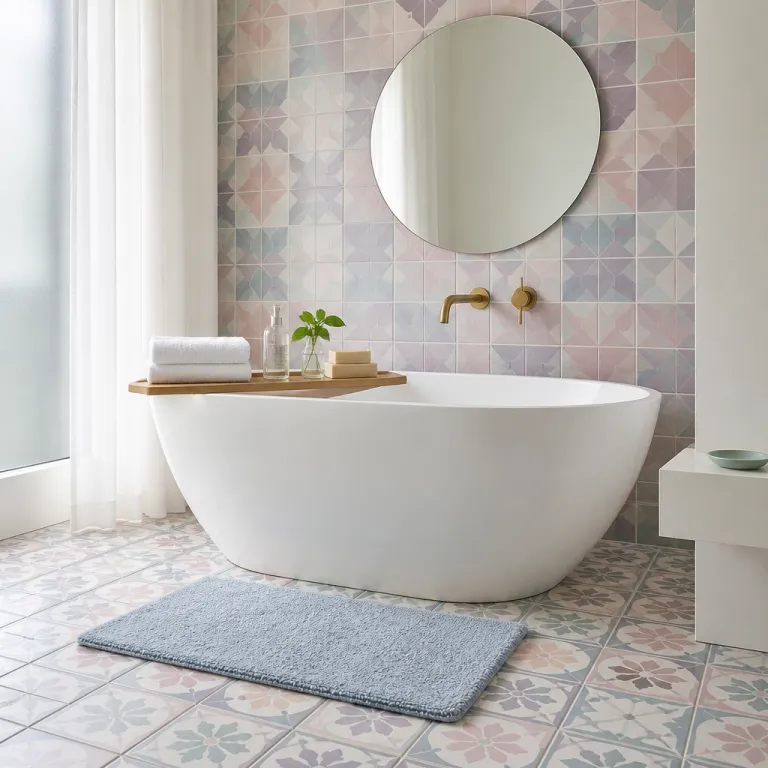
Reading a brussels hotel bathroom like a design blueprint
Scroll through any brussels hotel gallery and pause on the bathroom first. In the Belgian capital, bathroom design quietly reveals whether a property respects local craft traditions or just follows generic luxury trends. For couples planning a stay, those tiles, that floor and the way the room feels under soft lighting are often the best clues to overall seriousness.
Brussels, belgium has a long history of glazed tile and stoneware, from Boch Frères in La Louvière to the green and white tile panels in Art Nouveau townhouses near Grand-Place. When a brussels hotel bathroom design uses Belgian tile intelligently, you see it in the depth of colour, the precision of the grout lines and the way the tiles meet the fixtures without awkward silicone ridges. Look for bathrooms where the tile and the room layout feel inspired by the building’s era rather than imposed as a generic renovation package.
Before you book, zoom in on the floor and the drainage points in the bathroom photos. A well planned room floor, with a slight slope towards a discreet drain and no raised lips, signals a design team that understands both aesthetics and daily use. If the spaces feel cramped, with a large shower squeezed against the toilet and no clear dry zone, you can expect similar compromises across other interior design projects in the property.
Belgian tile heritage in hotel bathrooms: from Boch Frères to terrazzo floors
The story of brussels hotel bathroom design belgian tile starts well beyond the ring road. Boch Frères and the later Royal Boch ceramics shaped how bathrooms and kitchens looked across belgium, and their influence still appears in checkerboard floor patterns and glossy metro tiles in renovated hotels. When you see a bathroom design that references these traditions, you are not just getting pretty tiles ; you are stepping into a quiet piece of Belgian industrial history.
Several luxury properties now work directly with local manufacturers and interior design firms to reinterpret these motifs. The Brussels Tourism Board notes that the number of hotels featuring Belgian tilework has reached 15 hotels, and Hotel Design Magazine reports an average cost increase for custom tilework of 20 percent, which underlines how seriously the best design team partners take these projects. In practice, that might mean a ground floor spa with large format tile echoing Art Deco swimming pools, or guest bathrooms where small hexagonal tiles wrap the room floor and make compact spaces feel generous.
Terrazzo floors have become another signature in brussels belgium, especially in contemporary bathrooms that want a softer, speckled alternative to marble. When terrazzo is used on both floor and part of the wall, the bathroom feels like a single sculpted volume, especially effective in rooms with limited views. For couples, this kind of immersive interior design often becomes a favorite thing about the stay, because it turns a functional room into a private gallery of Belgian material culture.
Hoxton Brussels and the new language of compact bathroom design
The hoxton brussels takes a different stance on luxury, and its bathrooms show that clearly. Instead of large tubs and palatial floor space, this brussels outpost leans into compact bathroom design with clever storage, strong colour and unapologetically urban tiles. It is a useful case study for travellers who care about design but do not necessarily need a soaking tub to feel indulged.
Here, the design team from AIME Studios uses terrazzo floors and retro wall tile to give relatively small bathrooms a strong personality. Showers tend to dominate the room, with glass partitions and high tech fixtures that prioritise pressure and temperature control over theatrical scale. If you are comparing brussels hotel options, this is where you see how a well resolved room floor and smart lighting can make tight spaces feel intentional rather than compromised.
The hoxton approach also extends to the ground floor, where restaurant Cantina Valentina and the more casual restaurant cantina spaces share similar materials and colours. That continuity means you move from bar to room and back again without feeling like the bathroom belongs to another project entirely. For couples who enjoy design led city breaks, hoxton brussels proves that luxury can be about coherence and character, not only about marble and square metres.
From Grand-Place classics to quiet design addresses: where bathrooms lead the story
Near Grand-Place, Hotel Amigo has long been a reference point for luxury stays in the belgian capital. Its recent bathroom renovation programme introduced Italian marble, refined brass taps and subtle nods to Brussels ironwork, aligning the bathrooms with the hotel’s eclectic Flemish character. When you step into these bathrooms, the combination of cool stone underfoot and warm metal details makes the spaces feel both contemporary and rooted in place.
Hotel des Galeries, just behind the Galeries Royales, offers a more minimalist take on bathroom design. Here, white tiles, pale wood and carefully placed mirrors create bathrooms that amplify natural light and frame partial views of the rooftops rather than compete with them. Faubourg 21, by contrast, uses darker tones and larger format tile to carve out cocoon like bathrooms that feel almost like private spas, especially in rooms where the floor plan allows for a freestanding tub.
Across these properties, the common thread is a respect for material honesty and proportion in bathrooms. You will notice that the best rooms avoid awkward steps on the room floor, rely on solid metal fixtures rather than plated plastic and use tiles in a way that aligns with the building’s age. When you compare these to more generic brussels hotel options, where bathrooms might feature shiny but thin tiles and over bright lighting, the difference in long term comfort becomes obvious after a single night.
Freestanding tub or walk in shower: how Brussels hotels make the call
For many couples, the bathroom decision comes down to one question. Do you want a deep freestanding tub for long evenings, or a generous walk in shower that turns the morning routine into a small ritual. In Brussels, both options coexist, and the choice often reflects how seriously the hotel treats its overall interior design.
Heritage properties near Grand-Place and in the upper town tend to favour freestanding tubs, sometimes placed near windows to capture city views or courtyard greenery. When the room is large enough, the tub becomes a sculptural object, with the tile and floor pattern radiating around it like a stage. In these bathrooms, the design team usually hides high tech elements such as thermostatic controls and underfloor heating, so the experience feels timeless even when the engineering is cutting edge.
Contemporary hotels, including some near the main stations and the EU quarter, often prioritise walk in showers with strong water pressure and generous glass enclosures. Here, the success of the bathroom design depends on how well the tiles, drainage and lighting work together to keep the spaces feel dry and comfortable. When you browse brussels hotel photos, look for showers where the tile continues seamlessly across the room floor and up the wall, without clumsy metal thresholds that break the visual flow.
How to read bathroom photos before you book your Brussels stay
Online galleries can be brutally honest about bathrooms if you know where to look. Start with the tile ; zoom in on corners, edges and the junction between wall and floor to see whether the workmanship in that brussels hotel bathroom design belgian tile is crisp or compromised. Poorly aligned tiles or messy silicone usually mean the renovation was rushed, and that attitude rarely stops at the bathroom door.
Next, study the lighting and mirror placement in relation to the room layout. A well considered bathroom design will balance task lighting at the mirror with softer ambient light that flatters skin tones and keeps the spaces feel calm at night. If you see only a single ceiling spotlight and a small mirror, expect a functional but uninspired experience, even if the tiles themselves look expensive.
Finally, pay attention to the relationship between the bathroom and the rest of the room. In the best projects, the interior design language continues from headboard to bathroom floor, sometimes with the same tile or colour palette linking the two spaces. When a brussels hotel instead uses a generic white bathroom that ignores the room’s character, it is a sign that the design team treated the bathroom as an afterthought rather than as the quiet centre of the stay.
Where bathroom design becomes a reason to choose one hotel over another
For design conscious couples, the bathroom can be the deciding factor between two otherwise similar hotels. When you compare a brussels hotel with carefully curated tiles, solid fixtures and a coherent room floor layout to one with thin partitions and generic fittings, the long term comfort difference is dramatic. That is why many travellers now filter their choices by bathroom photos first, then by lobby or restaurant.
Some properties in brussels belgium go further by integrating bathroom aesthetics into the wider guest journey. At hoxton brussels, for example, the terrazzo floors and coloured tiles in the bathrooms echo the tones of the lobby and the energy of Cantina Valentina on the ground floor, creating a continuous narrative from arrival drink to morning shower. In more classic addresses near Grand-Place, the best bathrooms pick up on local motifs such as comic strip murals, Art Nouveau ironwork or stone patterns from nearby façades, turning each room into a small essay on the city’s architecture.
When you weigh up options on a site like stay-in-brussels.com, where you might be comparing refined comfort near the station at a property such as Pullman Brussels Centre Midi with more historic addresses in the centre, use the bathroom as your tie breaker. Ask yourself whether the bathroom design feels inspired by belgium and by the specific place, or whether it could belong to any anonymous hotel. In a city where tiles, tubs and quiet craftsmanship carry so much cultural weight, letting the bathroom guide your booking is not indulgent ; it is simply smart.
Key figures behind Brussels hotel bathroom design
- The Brussels Tourism Board reports that the number of hotels featuring Belgian tilework has reached 15 hotels, indicating a clear commitment to local materials in the city’s hospitality sector.
- Hotel Design Magazine notes an average cost increase for custom tilework of 20 percent for renovation projects, which shows how seriously leading properties invest in bathroom design as a differentiating feature.
- Art Nouveau and Art Deco influences remain central to Belgian tile production, with contemporary revivals in at least three major interior design trends across Brussels hotels, from terrazzo floors to patterned wall tile.
- Design tours and hotel focused itineraries now include visits to properties known for distinctive bathrooms, reflecting growing guest interest in brussels hotel bathroom design belgian tile as part of the cultural experience.
FAQ: Brussels hotel bathrooms and Belgian tilework
Which Brussels hotels are known for notable tilework in their bathrooms ?
Hotel Amigo, Hotel des Galeries and Faubourg 21 are frequently cited for distinctive bathroom tilework that reflects Belgian design traditions while remaining resolutely contemporary. These properties use tiles as a central design element rather than as a neutral backdrop. Their bathrooms often become a highlight of the stay for guests who value craft and material quality.
How does Belgian tile heritage influence current bathroom design in Brussels hotels ?
Belgian tile heritage, shaped by manufacturers such as Boch Frères and Royal Boch, informs both colour palettes and patterns in many renovated bathrooms. Designers borrow from Art Nouveau and Art Deco motifs, then reinterpret them with modern glazes and larger formats. The result is a blend of historical reference and present day comfort that feels specific to the belgian capital.
Are hotels with strong bathroom design usually more expensive ?
Custom tilework and high quality fixtures do raise renovation costs, and the reported 20 percent average increase for bespoke tile projects often appears in room rates. However, strong bathroom design is not limited to the very top of the market, especially in compact rooms where materials are used efficiently. For many couples, paying slightly more for a room with a well executed bathroom delivers better value over the course of a stay.
What should I look for in photos to judge bathroom quality before booking ?
Focus on tile alignment, the junctions between wall and floor, and the apparent quality of taps and shower heads. Check whether the lighting seems layered rather than harsh, and whether the room floor appears level with discreet drainage. Bathrooms that look calm, coherent and well finished in photos usually feel comfortable and practical in person.
Can I experience Belgian tile culture beyond my hotel bathroom during a trip ?
Yes, several museums and design tours around Brussels and La Louvière highlight the history of Belgian ceramics and tile production. You can pair a stay in a brussels hotel that celebrates bathroom design with visits to galleries and historic houses that showcase similar materials. This combination turns a simple city break into a deeper exploration of Belgian craft and architecture.
Sources and further reading
- Brussels Tourism Board
- Hotel Design Magazine
- Keramis – Centre for Ceramics in La Louvière