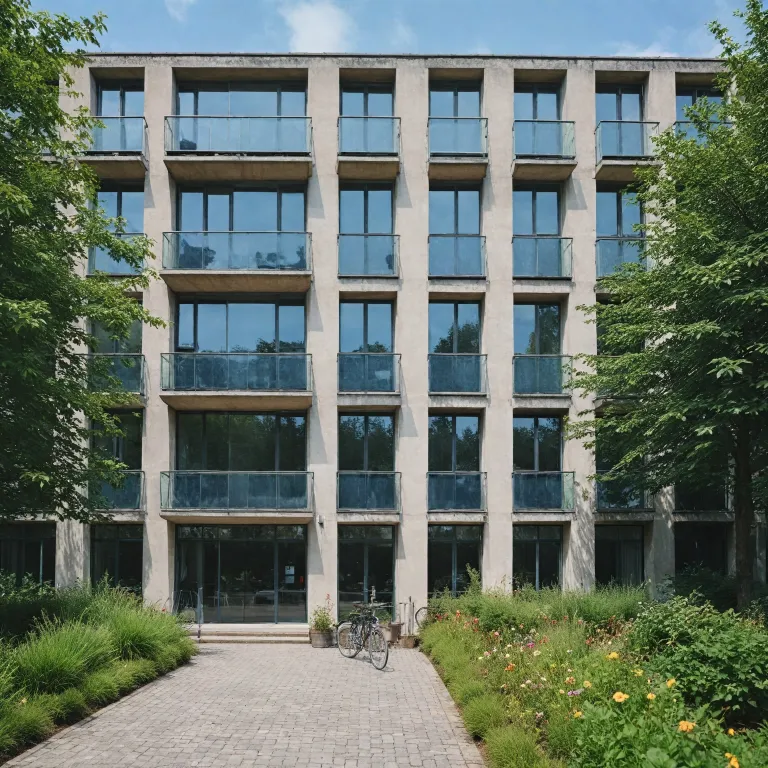
Green Key certification: the benchmark for sustainable hotels in Brussels
Brussels stands at the forefront of sustainable hospitality, with a growing number of hotels embracing environmental responsibility through the Green Key certification. This internationally recognized eco-label is awarded to hotels in Brussels that meet rigorous standards for energy efficiency, water consumption reduction, and waste management. The Green Key program, coordinated locally by GoodPlanet Belgium and Canopea, ensures that each certified hotel demonstrates a commitment to reducing its carbon footprint and supporting local communities.
Guests seeking a sustainable hotel in Brussels city centre will find that Green Key-certified establishments prioritize eco friendly practices. These hotels implement advanced waste management systems, promote the reduction of food waste, and use environmentally responsible cleaning products. By choosing a hotel with Green Key certification, travelers directly support the city’s efforts to reduce environmental impact and foster social responsibility within the hospitality sector.
With 70 hotels in Brussels now holding Green Key certification, the city offers a wide range of options for eco-conscious guests. Whether staying near the iconic Grand Place or in the vibrant city centre, visitors can enjoy luxurious guest rooms while contributing to environmental responsibility. The integration of sustainable practices, such as energy-saving lighting and water-saving fixtures, ensures that each stay minimizes water consumption and supports the broader goals of sustainable tourism in Brussels.
How Brussels hotels implement sustainable practices for guests
Hotels in Brussels have adopted a holistic approach to sustainability, focusing on every aspect of the guest experience. From the moment guests arrive, they are encouraged to participate in initiatives that reduce waste and conserve resources. Many sustainable hotels offer options to opt out of daily linen changes, significantly reducing water consumption and the use of cleaning products. This simple choice empowers guests to play an active role in the hotel’s environmental responsibility efforts.
Breakfast and food services in these hotels emphasize the use of local ingredients, supporting regional producers and minimizing the environmental impact of food transportation. By sourcing food locally, hotels reduce their carbon footprint and offer guests a taste of authentic Belgian cuisine. Efforts to reduce food waste are evident in portion control, composting programs, and partnerships with organizations that redistribute surplus food to those in need.
Energy efficiency is another cornerstone of sustainable hotels in Brussels. Advanced heating and cooling systems, LED lighting, and renewable energy sources are increasingly common in Green Key-certified hotels. These measures not only lower energy consumption but also create a comfortable and eco friendly environment for guests. For more information on sustainable travel options in Brussels, visit eco-friendly hotels in Brussels for a curated selection of certified properties.
Thon Hotels and Stanhope Hotel: leading the way in environmental responsibility
Among the most prominent names in Brussels’ sustainable hospitality landscape are Thon Hotels and the Stanhope Hotel. Both have earned Green Key certification, demonstrating their commitment to environmental responsibility and sustainable hotel operations. Thon Hotels, with several properties across the city centre and near Grand Place, have implemented comprehensive waste management systems and energy-saving technologies. Their guest rooms are designed to maximize comfort while minimizing environmental impact.
The Stanhope Hotel stands out for its dedication to reducing water consumption and promoting social responsibility. Guests are encouraged to participate in programs that support local communities and reduce the hotel’s carbon footprint. The use of eco friendly cleaning products and a focus on local food sourcing further enhance the sustainability credentials of these hotels.
By choosing to stay at Thon Hotel or Stanhope Hotel, guests support a broader movement toward sustainable tourism in Brussels. These hotels serve as examples for others in the industry, inspiring new initiatives and raising the standard for environmental responsibility. For a comprehensive guide to sustainable hotels in Brussels, explore Green Key-certified hotels in Brussels and make an informed choice for your next visit.
Reducing waste and water consumption: practical steps in Brussels hotels
Effective waste management and water conservation are central to the sustainable hotel experience in Brussels. Hotels implement a range of strategies to reduce waste, including recycling programs, composting, and the elimination of single-use plastics. These efforts are complemented by guest education initiatives, encouraging responsible behavior and participation in sustainability programs.
Water consumption is closely monitored and managed through the installation of low-flow fixtures, rainwater harvesting systems, and regular maintenance to prevent leaks. The reduction of water usage not only benefits the environment but also ensures the long-term viability of hotel operations in Brussels city. Guests are invited to contribute by reusing towels and linens, a practice that significantly decreases the hotel’s overall water footprint.
Food waste reduction is another priority, with hotels adopting innovative solutions such as smart inventory management and collaboration with local charities. These measures align with the broader goals of the Green Key program, which emphasizes the importance of environmental responsibility and social impact.
Supporting local communities and promoting social responsibility
Sustainable hotels in Brussels go beyond environmental initiatives by actively supporting local communities and fostering social responsibility. Many hotels partner with local businesses to source food, beverages, and other products, ensuring that economic benefits remain within the Brussels area. This approach not only reduces the carbon footprint associated with long-distance transportation but also strengthens the city’s unique cultural identity.
Social responsibility programs often include collaborations with local charities, employment opportunities for residents, and support for cultural events. Hotels encourage guests to participate in these initiatives, creating a sense of connection between travelers and the local community. By choosing a sustainable hotel, guests contribute to the well-being of Brussels and help preserve its vibrant character for future generations.
Environmental responsibility is further demonstrated through educational programs for staff and guests, raising awareness about sustainable practices and the importance of reducing environmental impact. These efforts are integral to the Green Key certification process and reflect the values of both the hospitality industry and the city of Brussels.
Evaluating the impact: statistics and future trends in sustainable hotels Brussels green certifications
The impact of sustainable hotel initiatives in Brussels is evident in the growing number of Green Key-certified establishments and the increasing adoption of eco friendly practices. According to recent data, 70 hotels in Brussels have achieved Green Key certification, representing 39% of all hotel rooms in the city. This significant milestone reflects the city’s commitment to environmental responsibility and the effectiveness of the Green Key program.
The percentage of Green Key-certified hotels in Brussels has increased by 71% since 2021, demonstrating a strong trend toward sustainability in the hospitality sector. This growth is driven by both consumer demand for eco friendly accommodation and the proactive efforts of local organizations such as GoodPlanet Belgium and Canopea. The integration of sustainable practices, including waste reduction, energy efficiency, and support for local communities, sets a new standard for hotels in Brussels.
As the city continues to promote sustainable tourism, guests can expect even more options for eco friendly stays in the future. The ongoing collaboration between hotels, local authorities, and environmental organizations ensures that Brussels remains a leader in sustainable hospitality. "Green Key is an international eco-label awarded to tourism establishments that meet strict environmental criteria, promoting sustainable tourism practices."
Key statistics on sustainable hotels Brussels green certifications
- Number of Green Key-certified establishments in Brussels: 70 establishments
- Percentage increase in Green Key-certified establishments since 2021: 71%
- Percentage of hotel rooms in Brussels that are Green Key-certified: 39%
Frequently asked questions about sustainable hotels Brussels green certifications
What is the Green Key certification?
Green Key is an international eco-label awarded to tourism establishments that meet strict environmental criteria, promoting sustainable tourism practices.
How can a hotel obtain Green Key certification?
Hotels must comply with a set of environmental criteria, undergo an application process, and pass regular audits to obtain and maintain Green Key certification.
Are there other eco-certifications for hotels in Brussels?
Yes, some hotels in Brussels also pursue certifications like BREEAM and Good Food, which focus on sustainable building practices and responsible food sourcing, respectively.
References: Green Key International, GoodPlanet Belgium, Visit Brussels