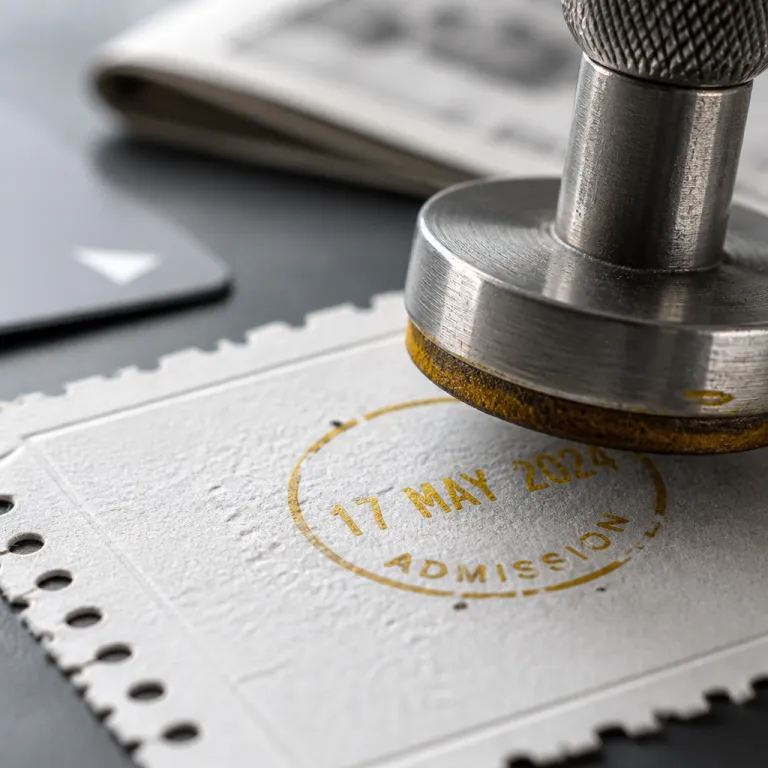
How a single afternoon in Brussels can feel like a full cultural day
Step out of your hotel lobby in Brussels and you can turn one free afternoon into a concentrated cultural day. The compact scale of the city means that a traveler following a short Brussels museums guide can move from lobby to landmark collection in minutes, not hours. For luxury travelers used to sprawling capitals, this Belgian capital feels almost like one of the small towns where every major museum sits within a short, elegant walk.
The Mont des Arts plateau, officially in the 1000 Brussels district of Belgium, is the strategic place where art, history and city views align for a short stay. From many premium hotels near the city center you can reach this part of Brussels on foot in under fifteen minutes, often along cobblestone streets that frame the skyline of Grand Place and the EU quarter. This density is why a focused travel guide for an afternoon works better than trying to squeeze in multiple tours across Belgium, from Antwerp to Bruges or even Luxembourg, in just a few days.
For overnight visitors, the best things happen when you accept that depth beats breadth and choose one major museum cluster. A visitor planning a Brussels museums afternoon should prioritize either the Royal Quarter for fine arts and music or the Cinquantenaire area for broader history, rather than chasing a rushed tour of Belgium. You will have a great time if you treat the museum, its café and its surrounding streets as a single curated experience rather than a checklist of places to visit in wider Belgium travel plans.
Royal Quarter: matching your museum to your hotel and your mood
If your hotel sits between Grand Place and the upper city, the Royal Quarter is your natural cultural playground. From many luxury addresses near Galeries Royales Saint-Hubert, a guest using a concise Brussels museums guide can stroll uphill to Mont des Arts in around ten minutes and still have a long time inside the galleries. This gentle climb links the theatrical charm of Manneken Pis and the historic Brussels core with the more rarefied world of Belgian fine arts.
The Royal Museums of Fine Arts of Belgium anchor this district with a complex of six museums, including the Magritte Museum at Rue de la Régence 3, which typically takes approximately 1.5 hours to visit. Standard adult tickets for the Magritte Museum are usually around €15, with combined passes for the wider complex slightly higher, and the museum is generally open Tuesday to Sunday from late morning until early evening. For travelers who want a structured experience, the Royal Museums function as a live travel guide to Belgian art, from old masters to surrealism, all under one institutional roof.
Just next door, the Musical Instruments Museum (MIM) at Rue Montagne de la Cour 2 adds another layer to your day with over 1,200 instruments housed in an Art Nouveau landmark. The building itself is a lesson in Belgian design, and digital audio guides enhance the experience as you move through the collection using museum maps and curated routes. Adult entry is usually about €15, with reduced fares for students and seniors, and the museum is typically open Tuesday to Friday from late morning and on weekends from late morning to late afternoon. This is also where a traveler following a Brussels afternoon itinerary can turn a cultural stop into a lifestyle moment, since the rooftop café is accessible without a ticket and offers one of the best city views for a quiet pause between meetings or before an evening at a nearby wine bar, as explored in this insider look at how Brussels feeds three appetites in one evening.
Canal and contemporary: when your hotel points you toward the water
Guests staying in converted warehouses or design-led hotels near the canal experience a different Brussels, one that feels closer to the working city than to postcard Belgium. Here, a short museums guide for Brussels will naturally point you toward contemporary art spaces and former industrial sites rather than royal palaces. The cobblestone streets around the canal create a textured backdrop that contrasts with the polished marble of the upper town museums.
This district is ideal for travelers who have already seen the classics in Antwerp, Bruges or Amsterdam and now want a more experimental tour of Belgian arts. While many itineraries highlight the Royal Museums and MIM, the same logic applies here: choose one institution, commit to it for the afternoon, and let the surrounding streets extend the experience. You will have a great time if you treat the walk from your hotel to the museum as part of the tour, noticing how the city shifts from historic center to working docks.
For guests who enjoy pairing culture with gastronomy, this area also connects easily back to the central neighborhoods featured in the guide on a hotel guest’s initiation into Brussels’ beer universe. A traveler using a Brussels museums afternoon plan can spend the day with contemporary art, then follow expert travel tips to find a carefully curated beer bar or restaurant within a short ride. This rhythm — one focused museum, one memorable table — often delivers the best things in Belgium travel, especially when time between check-in and check-out is tight.
Cinquantenaire and beyond: when you want range rather than a single theme
If your hotel is in the European quarter or near the grand avenues leading to Parc du Cinquantenaire, your afternoon museum options widen considerably. This area suits a Brussels museum visitor who prefers breadth over a single deep dive into fine arts or music. The museums here cover military history, automotive heritage and more, making them ideal for travelers who have already spent a long time with paintings in other European cities.
While most guides focus on Mont des Arts, the same planning principles apply in Cinquantenaire: pick one museum, check opening hours carefully and allow time for the park itself. Many luxury travelers combine a morning of meetings in the EU institutions with an afternoon museum visit here, turning what could be a purely administrative day into a more balanced city experience. For guests used to touring Germany, Luxembourg or the Netherlands, this mix of green space and culture feels familiar yet distinctly Belgian.
From a logistics perspective, this district works well for those arriving from or continuing to Antwerp, Bruges or even Amsterdam, since major transport links run nearby. A traveler planning a Brussels museums afternoon can easily integrate Cinquantenaire into a broader Belgium itinerary without sacrificing rest time at the hotel. If you are planning several days across Belgium travel routes, this area offers a calm counterpoint to the intensity of Grand Place and the Christmas markets in the historic center.
Depth over breadth: how to structure your afternoon like a local
The most successful museum afternoons in Brussels start with a decision: one institution, fully explored, rather than three rushed visits. A visitor using a concise Brussels museums guide should think like a local and accept that even a compact city rewards slowness. This mindset turns a simple museum stop into a layered experience that connects art, architecture and everyday street life.
Practical planning matters here, especially for guests used to tightly scheduled tours across Belgium, Germany or Luxembourg. Purchase tickets online through the official museum websites to avoid queues, use audio guides for an enriched experience and remember that audio guides are available in multiple languages. These small decisions free up time for what really counts, whether that is an extra gallery in the Royal Museums of Fine Arts of Belgium or a longer pause at the MIM rooftop café for city views.
Hotel concierges often act as informal tour guides, translating broad travel tips into precise walking routes from lobby to museum entrance. A Brussels museum visitor can ask for advice tailored to their mood: quiet fine arts, lively music history or a more eclectic mix in Cinquantenaire. When you step back into the evening streets around Grand Place or Saint-Hubert after a focused museum visit, the city feels both larger and more legible, and your short stay suddenly carries the weight of a much longer journey.
From lobby to gallery: timing, tickets and the museum café ritual
Time is the real luxury between check-in and check-out, so treat your afternoon like a carefully paced tour. For most travelers, a Brussels museums afternoon will work best with a simple structure: depart the hotel around 14:00, spend 90 minutes inside the main museum, then reserve at least 30 minutes for the café and surrounding streets. This rhythm mirrors the sample timeline where guests arrive at the Magritte Museum, walk to MIM in about five minutes, explore the exhibits and end at the rooftop café.
In practice, this means checking closing days and last entry times as carefully as you would verify a restaurant reservation. The Magritte Museum and MIM are usually closed on Mondays, and last admission is often around one hour before closing, so verify exact times before you leave the lobby. For visitors who have spent days in larger capitals like Amsterdam or Berlin, the relative calm of Brussels museums feels like a deliberate luxury rather than an accident.
The café stop is not an afterthought but part of the cultural script, especially at MIM where the rooftop views frame the entire city from Grand Place to the EU quarter. A traveler following a Brussels museums guide should treat this pause as a moment to connect the art just seen with the streets below, turning abstract fine arts into a lived urban narrative. When you finally walk back along the cobblestone streets toward your hotel, perhaps passing Manneken Pis or the illuminated arcades of Saint-Hubert, the city center feels like a curated exhibition in its own right.
FAQ
How long should I plan for the Magritte Museum during an afternoon stay?
You should allow approximately 1.5 hours for the Magritte Museum, which fits comfortably into a typical Brussels museums afternoon schedule. This duration leaves enough time for a relaxed walk from many central hotels and a short café stop afterward. It also allows you to combine the visit with nearby streets around Mont des Arts without feeling rushed.
Can I visit the MIM rooftop café without buying a museum ticket?
Yes, the rooftop café at the Musical Instruments Museum is accessible without a museum ticket. This makes it an excellent option for hotel guests who want the views and atmosphere even if they do not have time for the full collection. Many travelers use it as the final stop in their afternoon, after a main museum elsewhere in the city center.
Are audio guides in Brussels museums suitable for international visitors?
Audio guides in major Brussels museums are available in multiple languages and are designed for international visitors. They are particularly useful for a hotel guest who wants a structured narrative without joining a group tour. Using them also helps you focus on highlights when time between check-in and check-out is limited.
Is it realistic to combine more than one museum in a single afternoon?
It is possible to combine two museums, especially around Mont des Arts where distances are short, but depth usually suffers. Most luxury travelers find that one main museum plus a café and a short walk delivers a better overall experience. Choosing a single focus also leaves energy for evening plans around Grand Place, Saint-Hubert or the canal district.
How do Brussels museums compare with those in Antwerp, Bruges or Amsterdam for short visits?
Brussels museums are generally more compact and less crowded than those in larger tourist hubs like Amsterdam or Bruges, which suits an afternoon visit. For a hotel guest planning a short Brussels museums itinerary, this means less time in queues and more time with the art itself. Many travelers combine a focused Brussels museum day with longer stays in Antwerp or other Belgian cities as part of a wider tour of Belgium.