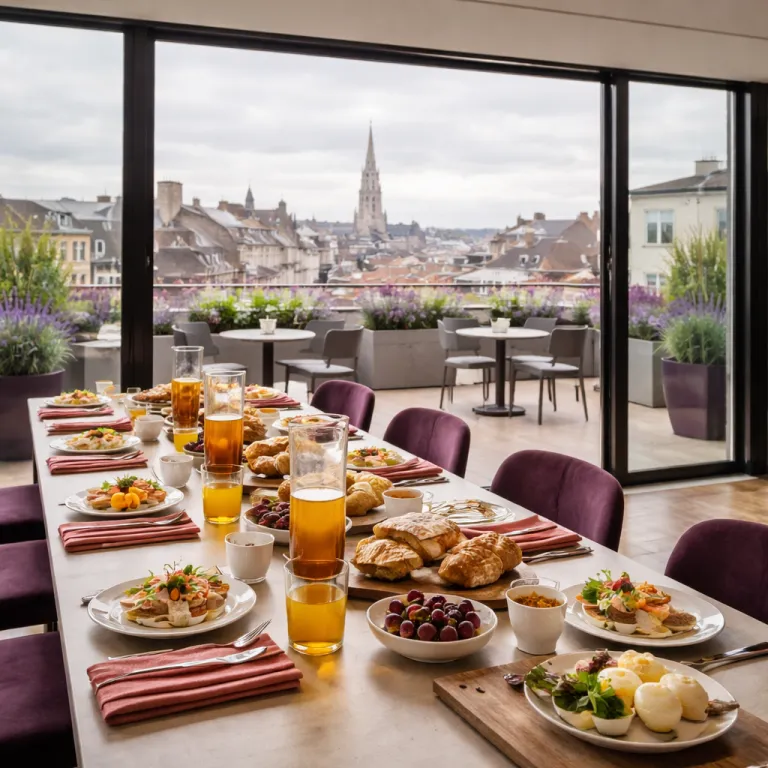
How to read “best hotel breakfast Brussels luxury” before you book
In Brussels, the phrase “best hotel breakfast Brussels luxury” now points to a quiet revolution. Belgian chefs are reshaping the first meal of the day, turning it from an anonymous buffet into a chef-led service that actually justifies the room rate. When you book a hotel in the city, breakfast has become one of the clearest signals of whether the property takes hospitality seriously.
Start with the wording on the booking page and in each review. If a luxury hotel in Brussels only mentions a “rich buffet” and “international selection”, you are probably not looking at the kind of elevated breakfast discerning travellers expect today. The properties that matter talk about à la carte eggs, named bakers, seasonal Belgian products and a dining room that feels like the heart of Brussels rather than an afterthought beside the lifts.
Look for explicit references to local partners, because the upper tier of the breakfast scene is now built on collaboration. Many of the most forward-thinking hotels in Brussels work with artisan bakers such as Charli near Sainte-Catherine, Hopla Geiss in several quartiers or Jacobs in the Marolles, instead of relying on frozen viennoiseries. When a hotel listing proudly credits its bakery, that usually means the bar for quality is higher across the entire morning experience.
Eggs are your next diagnostic tool when you compare luxury hotels. A chef-led breakfast means eggs cooked to order by a brigade, not scrambled in bulk and left in a warmer for passing guests. When a grand hotel describes “any style eggs prepared à la minute” and mentions a chef’s counter, you are in safer territory than in places that only promise “hot dishes”.
Location still matters, but not in the way marketing copy suggests. Being a five-minute walk from Grand Place or close to Brussels Central station is convenient, yet the breakfasts guests remember most are often served in calm dining rooms slightly away from the tourist flow. A property in the Louise district or near the quieter streets behind Grand Place can offer more space, more light and a more local crowd at the first service.
Finally, read how the hotel talks about its guests in the morning. When descriptions mention staggered seating, a choice of rooms for breakfast and the option to have a tray in your room or suite, you are looking at a luxury hotel that understands different rhythms. If the only promise is “breakfast served in the restaurant from 7 to 10”, expect a functional start to the day rather than a memorable one.
Chef led breakfasts: which Brussels hotels are worth getting up for ?
Only a limited number of properties currently deliver a truly chef-led breakfast in Brussels. These are the places where the morning service is treated as a restaurant experience, not a cost centre. You feel it in the way staff greet each guest by name, in the way coffee is poured and in the way the first plate lands on the table.
In the historic core near Grand Place, several grand hotel addresses have moved beyond the anonymous buffet. Some, like the reimagined hotel Astoria project and other palace-style hotels, are working with Belgian chefs who use traditional recipes and sustainable sourcing to anchor the morning menu. When you read a review that mentions seasonal Belgian dishes alongside classic eggs Benedict, you are close to the current luxury standard.
Business-leisure travellers should pay attention to how these hotels describe their rooms and public spaces. A luxury hotel that invests in a calm, spacious breakfast room with natural light usually also invests in better produce and better training for the breakfast équipe. If the same property highlights a refined bar for evening drinks and a connected hotel spa or full spa wing, you are likely looking at an address that understands the full daily rhythm of a guest.
In the Louise district, a few addresses quietly lead the way. A Louise hotel that talks about a “chef’s breakfast table”, local charcuterie and pastries from a named bakery is signalling that the first course matters as much as the late-night bar. When you book in this part of the city, prioritise hotels that describe both spacious rooms and a breakfast concept, not just proximity to Avenue Louise.
Some independent properties, such as Zoom Hotel and Hotel Van Belle, have already enhanced their breakfast offerings and helped set the tone for the wider market. Their shift towards local ingredients and more thoughtful menus shows how Belgian chefs are redefining expectations, even outside the strict five-star bracket. For a deeper look at how premium properties handle the morning service, our guide to premium Brussels hotels with breakfast, elegance, comfort and city views breaks down specific examples.
Not every guest needs a full restaurant-style experience each morning. If you are in Brussels for meetings near the European Quarter or around the main business districts, a well-executed buffet in a quiet room can still be the right answer. The key is to choose hotels that describe clear service standards, not just volume.
Bread, pastries and waffles: the Brussels breakfast litmus test
Bread is where many ambitious hotel breakfasts in Brussels either shine or fail. In a city with a serious bakery culture, there is no excuse for pale croissants or anonymous baguettes that taste of the freezer. When a listing mentions Charli, Jacobs, Hopla Geiss or another named boulanger, you can assume the pastry baseline will be closer to what locals actually eat.
Viennoiseries are only the start of the story in this city. A chef-led breakfast should offer Belgian specialties such as cramique, craquelin and, in season, cougnou, alongside sourdoughs and seeded loaves that reflect the current artisan wave. Properties that aim for a more refined standard will often rotate breads according to the baker’s schedule, rather than freezing a standard selection.
Then there is the waffle question, which Brussels hotels still mishandle surprisingly often. The Liège waffle, made from a yeasted dough with caramelised sugar, is the correct morning waffle, while the lighter rectangular Brussels waffle dusted with sugar belongs more to dessert or afternoon coffee. When a grand hotel offers both styles at breakfast without explanation, it is usually a sign that the concept has been designed by marketing rather than by a Belgian chef.
Look for menus that reference toppings beyond industrial chocolate sauce. Seasonal fruit, cultured butter, local honey and house-made compotes are the markers of a kitchen that cares about the first course. During spring, a few luxury hotels even weave white asparagus into savoury breakfast dishes, and our dedicated guide to white asparagus season in Brussels hotels explains why this matters for serious eaters.
Charcuterie is another quiet test of ambition. At the higher end of the market, you will see house-cured meats, terrines and local cheeses labelled by origin, not anonymous supermarket-style plates. When a spa-focused property or a grand hotel near Grand Place talks about working with local farmers and regional suppliers for its cold cuts, that language usually reflects real sourcing decisions.
Finally, pay attention to coffee, which remains the weak point in many otherwise polished hotels. A luxury hotel that partners with a respected Brussels roaster and trains its bar team to pull proper espresso is still the exception rather than the rule. When a review singles out the coffee as excellent rather than “fine”, you have probably found a breakfast worth setting an alarm for.
Buffet versus à la carte: choosing the right format for your stay
The old assumption that a bigger buffet equals a better breakfast no longer holds in Brussels. For travellers chasing a genuinely luxurious start to the day, the real question is whether the format matches the way you actually eat. A carefully edited buffet with a few chef stations can be more satisfying than a sprawling room of lukewarm chafing dishes.
Buffets still make sense for certain trips. If you are a guest with a tight schedule near Brussels Central or the EU institutions, the ability to walk into the breakfast room, fill a plate and leave within fifteen minutes is valuable. In that case, look for hotels that limit the number of guests per service and describe a spacious layout, so you are not queuing for coffee behind a tour group.
À la carte formats, by contrast, are where many high-end properties now differentiate themselves. Here, the kitchen cooks each plate to order, often with a short menu of egg dishes, Belgian classics and lighter options for business travellers. When a description mentions “unlimited à la carte breakfast” rather than “buffet only”, you can expect better texture, better temperature and more attention from staff.
Hybrid models are increasingly common in the city. A grand hotel might offer a small cold buffet of breads, fruit and charcuterie, while all hot dishes are prepared à la minute and served at the table. This approach works particularly well in properties where the breakfast room doubles as a bar or brasserie later in the day, because the kitchen is already set up for real service.
For couples or solo travellers extending a work trip, the choice often comes down to how you want to feel at 8 a.m. If you prefer calm, choose a luxury hotel that emphasises table service, a quiet dining room and the option to linger with a newspaper. If you thrive on energy, a well-run buffet in the central area, perhaps a short walk from Grand Place, can be part of the city’s morning theatre.
Whatever your preference, read the fine print before you book. Some hotels include breakfast in the room rate, while others treat it as a separate booking line that can add significant cost over a three-night stay. A transparent description of what is included, and how it is served, is a hallmark of the more trustworthy end of the Brussels hotel landscape.
Rooms, wellness and the morning after: connecting spa culture to breakfast
In the upper tier of Brussels hospitality, breakfast does not exist in isolation. The most satisfying morning services are usually part of a wider ecosystem that includes a serious spa, a thoughtful bar and rooms designed for real rest. When these elements align, the first course becomes the natural continuation of a well-paced stay.
Start with the rooms. A luxury hotel that offers genuinely spacious rooms and suites, good soundproofing and blackout curtains is already setting you up for a better breakfast, because you arrive rested rather than exhausted. When a review mentions that a guest slept well despite being a short walk from Grand Place or from busy Louise, that is a sign of good engineering behind the walls.
Wellness is the next layer. Properties that invest in a full hotel spa or a more intimate spa wing tend to think more carefully about what guests eat before and after treatments. Our guide to spa hotels in Brussels where wellness comes standard shows how some luxury hotels integrate light, protein-rich breakfast options for spa guests alongside more indulgent plates.
Names matter in this landscape, because they signal ambition. When you see references to a Corinthia Grand-style renovation of a historic grand hotel, or to a Juliana Hotel type property near the city’s ceremonial axis, you are usually looking at a team that understands how breakfast, spa and bar culture fit together. These hotels often design their morning menus with input from nutrition-conscious chefs and spa directors.
Neighbourhood context also shapes the experience. A Louise hotel with a discreet entrance and a calm inner courtyard will often serve breakfast in a room that feels like a private salon, while a property near the main retail streets might lean into a more urban, buzzy dining room. In both cases, the benchmark is defined by how well the atmosphere matches the promise made at booking.
For travellers who value wellness, it is worth checking whether the hotel spa opens early enough to combine a short swim or sauna with breakfast. Some addresses now offer spa access slots before the main breakfast rush, allowing guests to move from pool to plate without crossing the entire property. When a review highlights this flow, it usually reflects a management team that has walked the route themselves.
Finally, remember that the bar and breakfast share the same DNA. A hotel that takes pride in its evening cocktails, its wine list and its late-night bar snacks is more likely to care about coffee extraction, juice quality and the seasoning of its omelettes. In the best-run properties, you can feel that continuity from the first espresso to the last nightcap.
Insider picks and how to read between the lines of reviews
Names like Hoxton Brussels, Liman Hotel, Juliana Hotel, Manos Stéphanie and Hotel Manos appear often in conversations about characterful stays in the city. Each sits in a different part of Brussels and serves a different type of guest, yet all illustrate how breakfast is becoming a point of distinction. When you scan reviews for these hotels, focus less on star ratings and more on the paragraphs about the first meal of the day.
Hoxton Brussels, for example, leans into its social spaces and lobby bar culture, which shapes a breakfast that feels more like a neighbourhood café than a traditional hotel room-service tray. Guests who value atmosphere over formality often rate this highly, even if the selection is tighter than in a classic grand hotel. By contrast, a property like Juliana Hotel near the ceremonial centre of the city may emphasise a more formal dining room and a structured à la carte menu.
In the Louise area, Manos Stéphanie and Hotel Manos offer a more residential feel, with leafy terraces and rooms that feel like private apartments. Here, the luxury breakfast experience is often about quiet, unhurried service and the sense that you are a guest in a grand maison rather than a number in a system. Reviews that mention staff remembering coffee orders or favourite pastries are worth more than generic praise.
Elsewhere in the city, names such as Fleur Ville, Hotel Fleur or a future-facing Corinthia Grand-style project at the historic hotel Astoria site point to a new generation of grand hotel thinking. These properties aim to combine heritage architecture with contemporary expectations around spa access, bar culture and breakfast quality. When you see repeated references to local ingredients, artisan bakers and chef presence in the dining room, you are likely close to the top tier.
Use reviews strategically when you book. Filter for the word “breakfast” and read the most detailed comments, paying attention to whether guests mention specific dishes, waiting times and staff behaviour. A single negative review about a busy Sunday service matters less than a pattern of complaints about cold food or indifferent coffee.
Remember that many hotels in Brussels now welcome non-guests for breakfast, especially those participating in the city’s breakfast revamp. As one local summary puts it, “Hotels like Zoom Hotel and Hotel Van Belle have enhanced their breakfast offerings.” If you are unsure whether a property’s morning service matches your expectations, consider trying it as a walk-in before committing to a longer stay.
When the bakery next door beats the buffet: budget conscious luxury
Not every stay in Brussels needs to include a full hotel breakfast, even at the luxury level. For some travellers, the most enjoyable start to the day is actually found outside the property, in a nearby bakery or café that locals use every morning. The city’s compact scale and dense centre make this easier than in many capitals.
If your booking does not include breakfast, or if the surcharge feels disproportionate, map the area around your address before you arrive. In the central districts near Grand Place, Sablon, Sainte-Catherine and the Marolles, you are rarely more than a five-minute walk from a serious boulangerie or café. A coffee and a pastry at Charli, Hopla Geiss or another artisan counter can cost less than a hotel buffet while delivering more character.
Even guests in luxury hotels can benefit from this approach. If you have early meetings or prefer a lighter start, consider alternating between the hotel’s full breakfast and a quick run to a nearby bakery on alternate mornings. This lets you enjoy the in-house offering when you have time, without paying for a large spread you will not touch every day.
When you do this, choose your room category carefully. A slightly larger room or suite with a small seating area turns an external breakfast into a private ritual, as you bring back pastries and coffee to enjoy in peace. Reviews that mention “spacious rooms with a comfortable table for in-room dining” are particularly relevant if you plan to mix hotel and outside breakfasts.
For travellers staying near Louise, in Saint-Gilles or around the canal, the same logic applies. These neighbourhoods are full of independent cafés and bakeries where the morning crowd is mostly local, and where the coffee often outperforms what you will find in a standard hotel bar. In such cases, it can be smarter to book a room-only rate in a Louise hotel and allocate the difference to exploring the city’s breakfast scene.
Ultimately, luxury in Brussels is less about always choosing the most expensive option and more about aligning your choices with how you actually live. Whether you sit down to a chef-led service in a grand hotel dining room, grab a croissant from a counter near Grand Place or combine both over a three-night stay, the city now offers enough depth for you to curate your own version of a perfect Brussels breakfast.
Key figures: Brussels hotel breakfasts by the numbers
- Local industry observers note that only a relatively small group of hotels in the city are actively participating in a structured breakfast revamp, a focused but influential cluster within the wider Brussels accommodation landscape. Public data from Visit Brussels and hotel association briefings support the idea that upgraded breakfast concepts are concentrated in the upscale and luxury tiers rather than across the entire market.
- Industry presentations at recent hospitality events in the city suggest that properties upgrading their morning offering often see a noticeable increase in breakfast patronage, underlining how strongly guests now factor the first meal of the day into booking decisions. While exact percentages vary by hotel, operators consistently report higher capture rates once à la carte options and local products are introduced.
- This shift began as a targeted initiative in a few design-forward and grand hotels and is now spreading across the broader upscale segment, with Belgian chefs using local produce and artisan partnerships to differentiate their breakfast rooms. Trade press coverage of Brussels openings and renovations frequently highlights breakfast as a signature element alongside spa and bar concepts.
- For business-leisure travellers, breakfast can represent a significant share of on-property spend, which is why more grand hotel operators now treat the first course as a revenue driver and brand signature rather than a cost to minimise. Internal benchmarking shared at regional hotel forums indicates that improved breakfast satisfaction scores often correlate with higher overall review ratings.
FAQ: Brussels luxury hotel breakfasts
Which hotels in Brussels offer revamped breakfasts ?
Several properties across the city have upgraded their morning service, including design-forward independents such as Zoom Hotel and Hotel Van Belle and a growing number of grand hotel-style addresses near Grand Place and Louise. These hotels typically highlight local ingredients, artisan bread and chef presence in their descriptions. When you read about à la carte eggs, named bakers and seasonal Belgian dishes, you are likely looking at a revamped breakfast.
What local specialties should I try at a Brussels hotel breakfast ?
Look for cramique and craquelin breads, Liège-style waffles with caramelised sugar, and, in season, cougnou and white asparagus dishes. Many upgraded hotels also serve artisanal granola, local yoghurts and pastries from respected Brussels bakeries. If the buffet or menu labels origins and producers, that is usually a sign of a serious approach.
Are Brussels hotel breakfasts open to non guests ?
Many hotels in Brussels welcome non-residents for breakfast, especially those keen to showcase their revamped offerings. Policies vary, so it is wise to check availability and pricing directly with the property before you go. This can be an excellent way to sample a potential future stay or to enjoy a luxury setting without booking a room.
How can I tell if a hotel breakfast is worth the price before booking ?
Read the detailed description on the booking page and then scan guest reviews that mention breakfast specifically. Signs of quality include à la carte cooking, named local suppliers, clear service times and comments about attentive staff rather than just “large selection”. If coffee, eggs and bread are all praised, the price is more likely to be justified.
When should I choose a bakery over the hotel breakfast ?
If your schedule is tight, your appetite is light or the hotel surcharge feels high compared with nearby options, a local bakery can be the smarter choice. This is especially true in central districts where excellent cafés sit within a short walk of most hotels. Mixing hotel breakfasts with outside options over a multi-night stay can balance cost, variety and experience.